High blood pressure, also called hypertension, affects a large share of American adults, and many do not know they have it. Because it usually causes no symptoms, it is often found only at a routine checkup. Over time, uncontrolled high blood pressure can damage blood vessels and raise the risk of heart attack, stroke, kidney disease, and other problems. The good news is that it is measurable, treatable, and in many cases responsive to lifestyle change. This guide explains the numbers and what you can do.
This article is general information and not medical advice. If you have been told you have high blood pressure or take medication, follow your clinician’s guidance and do not change treatment on your own.
What the two numbers mean
A blood pressure reading is written as one number over another, such as 120/80 mm Hg.
- Systolic pressure (top number) measures the force of blood against artery walls when your heart beats.
- Diastolic pressure (bottom number) measures the force when your heart rests between beats.
Both matter. In older adults, systolic pressure is often the more important number for assessing risk.
Blood pressure categories
The American Heart Association and American College of Cardiology describe these general ranges for adults:
| Category | Systolic | Diastolic |
|---|---|---|
| Normal | Below 120 | and below 80 |
| Elevated | 120 to 129 | and below 80 |
| Stage 1 hypertension | 130 to 139 | or 80 to 89 |
| Stage 2 hypertension | 140 or higher | or 90 or higher |
| Hypertensive crisis | Above 180 | and/or above 120 |
A single high reading does not diagnose hypertension. Blood pressure varies during the day and rises with stress, caffeine, pain, or exercise. Clinicians generally base diagnosis on multiple readings, often confirmed with home or ambulatory monitoring.
A hypertensive crisis is a medical emergency if accompanied by chest pain, shortness of breath, severe headache, vision changes, weakness, or confusion. Call 911 in that situation.
Why high blood pressure matters
When pressure stays high, it strains the arteries and organs. Potential long-term effects include:
- Heart attack and heart failure.
- Stroke.
- Kidney damage.
- Vision problems.
- Narrowed arteries in the legs.
- Cognitive decline in later life.
Treating blood pressure reduces these risks, which is why screening is a standard part of primary care.
How to measure blood pressure at home
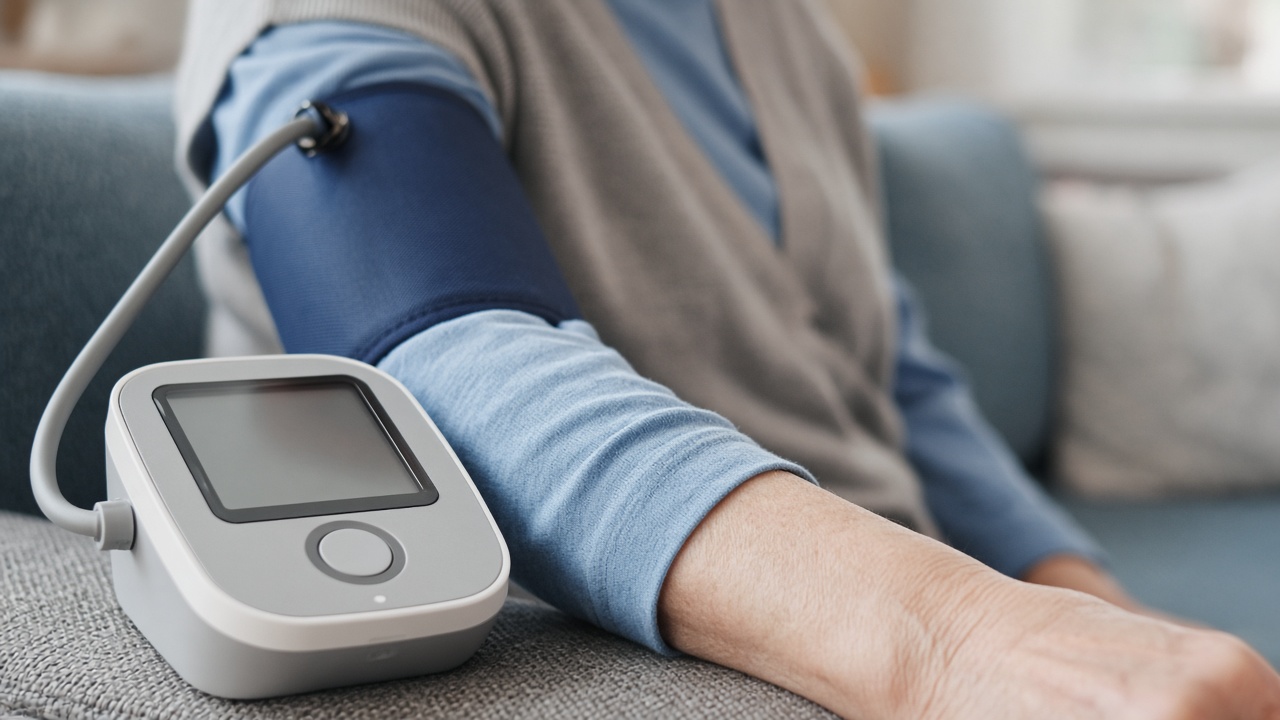
Home monitoring can reveal patterns that office visits miss, and it can help distinguish true hypertension from “white coat” readings that spike in a medical setting. To get accurate numbers:
- Choose a validated upper-arm cuff. Wrist and finger monitors are generally less reliable. The cuff must fit your arm size.
- Prepare. Avoid caffeine, exercise, and smoking for at least 30 minutes beforehand, and use the bathroom first.
- Sit quietly for five minutes with your back supported, feet flat on the floor, and legs uncrossed.
- Rest your arm on a table at heart level, with the cuff on bare skin.
- Do not talk during the measurement.
- Take two or three readings one minute apart and record the average.
- Measure at consistent times, such as morning and evening, and keep a log to share with your clinician.
Bring your monitor to an appointment so your clinician can compare it with their device.
What can cause or contribute to high blood pressure
- Excess sodium in the diet.
- Overweight or obesity.
- Physical inactivity.
- Excess alcohol.
- Tobacco use.
- Chronic stress.
- Sleep apnea and poor sleep.
- Family history and age.
- Kidney disease and some hormonal conditions.
- Certain medications, such as some decongestants, NSAIDs, and hormonal contraceptives.
Tell your doctor about all medications and supplements you take.
Lifestyle changes that help
Lifestyle changes are recommended for everyone with elevated blood pressure and are used together with medication when needed.
Eat in a heart-healthy pattern
The DASH eating plan, short for Dietary Approaches to Stop Hypertension, emphasizes vegetables, fruits, whole grains, low-fat dairy, beans, nuts, and lean protein while limiting saturated fat, sweets, and sodium. Research supported by the National Institutes of Health has found that it can lower blood pressure meaningfully.
Reduce sodium
Most sodium in the American diet comes from processed and restaurant foods rather than the salt shaker. Reading labels, choosing lower-sodium products, cooking at home, and rinsing canned beans or vegetables all help. General guidance often suggests keeping sodium to less than 2,300 milligrams per day, and an even lower target of around 1,500 milligrams may be recommended for people at higher risk. Ask your clinician about the right goal for you.
Increase potassium through food
Potassium helps balance sodium. Foods such as bananas, potatoes, beans, leafy greens, and yogurt contribute. People with kidney disease or those taking certain medications should check with their doctor before increasing potassium, since too much can be dangerous.
Move more
Regular aerobic activity, such as brisk walking, cycling, or swimming, can lower blood pressure. Adults are generally encouraged to get at least 150 minutes of moderate activity per week, plus muscle-strengthening activity two or more days a week. Start slowly if you have been inactive, and check with your clinician if you have health conditions.
Reach a healthy weight
Even modest weight loss can reduce blood pressure for people who are overweight.
Limit alcohol
Heavy drinking raises blood pressure. Guidelines generally suggest limiting alcohol, and for some people, avoiding it is best.
Stop smoking
Tobacco does not only cause long-term blood pressure problems; it damages blood vessels and sharply raises cardiovascular risk. Support programs and medications can improve your chances of quitting.
Manage stress and sleep
Stress can temporarily increase blood pressure, and chronic stress may encourage habits that harm it. Relaxation techniques, regular breaks, time outdoors, and enough sleep help. If you snore loudly or wake exhausted, ask about sleep apnea, which is strongly linked to high blood pressure.
When medication is needed
Lifestyle changes may not be enough, especially at higher blood pressure levels or in the presence of other conditions such as diabetes or kidney disease. Several classes of medication exist, including diuretics, ACE inhibitors, angiotensin receptor blockers, calcium channel blockers, and others. Clinicians choose based on your age, other health conditions, and how you respond. Many people need more than one medicine.
Important points about medication:
- Take it exactly as prescribed, even when you feel fine.
- Do not stop suddenly without talking to your doctor.
- Report side effects, since alternatives exist.
- Keep follow-up appointments so doses can be adjusted.
- Use a pill organizer or phone reminder if you forget doses.
Know your numbers and your risks
Ask your clinician what your target should be. Goals may differ based on age and conditions. Keep a record of your readings, medication list, and questions. Review them at each visit.
Frequently Asked Questions
Is 130/80 considered high?
Under current American Heart Association and American College of Cardiology categories, readings from 130 to 139 systolic or 80 to 89 diastolic fall into stage 1 hypertension. Your doctor will consider repeated readings and overall risk.
Can high blood pressure cause symptoms?
Usually not, which is why it is called a silent condition. Severe elevation can cause headaches, chest pain, or vision changes and needs urgent evaluation.
Can stress alone cause hypertension?
Stress can raise blood pressure temporarily, and long-term stress may contribute through behaviors such as poor sleep or diet. It is rarely the only cause.
Do I need medication if I change my lifestyle?
Some people can control blood pressure with lifestyle changes alone, while others need medication in addition. Your doctor can tell you based on your numbers and risk.
How often should I check at home?
Follow your clinician’s advice. A common approach is to measure twice daily for a week before an appointment, then periodically as directed.
The bottom line
Blood pressure is one of the most important and most controllable health numbers. Learn the categories, measure accurately, adopt heart-healthy habits, and follow through on medication if prescribed. Small, steady changes can lower your risk significantly over time.