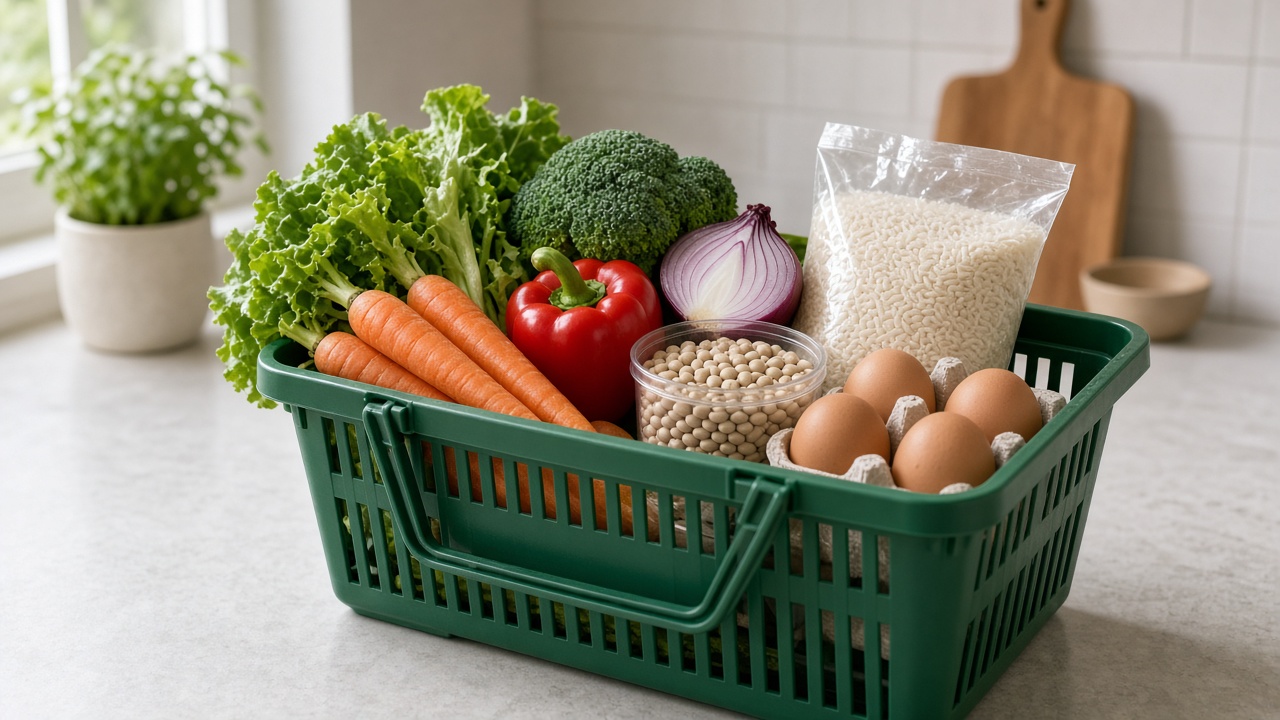
Many people believe that eating well requires a big grocery budget. In reality, some of the most nutritious foods, such as beans, oats, eggs, frozen vegetables, and seasonal produce, are also among the most affordable. The key is planning, flexibility, and a few shopping habits. This guide offers practical strategies for eating healthier without overspending, plus information about assistance programs if money is tight.
This article is general information and not medical or nutritional advice. If you have a health condition, food allergy, or special dietary needs, consult a clinician or registered dietitian.
Start with a simple idea of “healthy”
The Dietary Guidelines for Americans, published by the federal government, recommend building meals around:
- Vegetables of different colors, including dark leafy greens, beans, and starchy vegetables.
- Fruits, especially whole fruits.
- Grains, with at least half being whole grains.
- Dairy or fortified alternatives.
- Protein foods, including lean meats, poultry, eggs, seafood, beans, peas, lentils, nuts, and seeds.
- Healthy oils.
The guidelines also encourage limiting added sugars, saturated fat, and sodium. You do not need exotic superfoods. Ordinary staples do the job.
Plan before you shop
Take stock
Check your pantry, refrigerator, and freezer before heading to the store. Use what you have first so you do not buy duplicates.
Plan meals around a few base ingredients
Choose a few affordable staples and use them in several ways. For example, a batch of beans can become chili, tacos, soup, and a salad topping. A roasted chicken can provide dinner, then sandwiches, then broth for soup.
Write a list and stick to it
A list reduces impulse purchases. Organize it by store section to avoid wandering the aisles. If possible, shop after eating so you are not tempted by hunger-driven choices.
Set a weekly budget
Decide what you can spend per week and track it. Many people are surprised by how much they spend on snacks, drinks, and convenience items.
Plan for leftovers
Cook extra on purpose and plan to eat the leftovers for lunch or freeze them. This saves money and time.
Smart shopping strategies
Buy in-season produce
Produce in season is usually cheaper, fresher, and tastier. Ask about local farmers markets, where late-day deals are sometimes available, and look for programs that match benefits.
Embrace frozen and canned
Frozen fruits and vegetables are typically frozen soon after harvest and retain most of their nutrients. They last longer, reduce waste, and are often cheaper than fresh out of season. Choose frozen products without added sauces or sugar. Canned vegetables, beans, tomatoes, and fish such as tuna and salmon are inexpensive, shelf-stable options. To limit sodium, pick “no salt added” or “low sodium” versions, or rinse canned beans and vegetables under water, which can reduce sodium.
Choose budget-friendly proteins
- Dried or canned beans, lentils, and peas are low-cost and high in fiber and protein.
- Eggs are a versatile, affordable protein.
- Canned fish is economical and provides protein and, for some types, omega-3 fats.
- Whole chicken or less-expensive cuts often cost less per pound than boneless breasts.
- Peanut butter and other nut butters add protein and healthy fats. Check labels for added sugar.
- Plain yogurt and milk are nutritious sources of protein and calcium.
Buy whole grains in bulk
Oats, brown rice, barley, and whole wheat pasta are inexpensive per serving. Buying from bulk bins or larger packages can reduce the unit price if you will use them before they spoil.
Compare unit prices
Look at the price per ounce or per pound on shelf tags rather than the sticker price. Store brands are often comparable in quality and cost less than name brands.
Use sales, coupons, and apps wisely
Weekly store flyers and loyalty programs can reduce costs. Only buy discounted items you will actually use, since a “deal” on something you throw away is not a savings.
Limit costly convenience items
Pre-cut produce, single-serve snacks, bottled drinks, and heavily processed foods usually cost more per serving. Washing and chopping your own vegetables, portioning snacks into containers, and drinking water saves money and often improves nutrition.
Do not forget about store layout
Staples such as produce, dairy, meat, and eggs are often around the perimeter. Dried beans, rice, canned goods, and frozen produce are in the inner aisles. Shop wherever the best value is, but be mindful of end-cap displays designed to prompt purchases.
Cut food waste
Households throw away a significant amount of the food they buy, and that is wasted money. Some ways to reduce it:
- Store food properly. Keep produce that spoils quickly where you will see it.
- Freeze bread, cooked grains, extra portions, ripe bananas, and berries.
- Learn what date labels mean. “Best by” and “sell by” are generally about quality, not safety, though you should follow food safety guidance and use judgment.
- Use scraps to make soup stock, and use wilting vegetables in stir-fries, soups, or frittatas.
- Keep an “eat first” shelf in your refrigerator.
- Practice first in, first out when you restock.
Cook more at home
Meals prepared at home generally cost less than restaurant or delivery meals and let you control the salt, sugar, and fat. Simple strategies include:
- Batch cook on a weekend. Make a large pot of soup, chili, or grain salad.
- Use one-pot and sheet-pan meals to reduce effort and cleanup.
- Build a short list of reliable recipes that you can cook quickly.
- Prepare breakfast items ahead, such as overnight oats or egg muffins.
- Pack lunches and snacks to avoid spending at work or school.
Example low-cost, nutritious meal ideas
- Oatmeal with banana or frozen berries and a spoonful of peanut butter.
- Scrambled eggs with sautéed vegetables and whole wheat toast.
- Bean and vegetable soup with a side salad.
- Brown rice bowls with black beans, frozen corn, salsa, and cheese.
- Whole wheat pasta with canned tomatoes, spinach, and white beans.
- Baked chicken thighs with roasted sweet potatoes and frozen broccoli.
- Tuna salad sandwiches made with yogurt and served with carrot sticks.
- Lentil curry over rice with frozen peas.
Food assistance programs
If your budget is stretched, you do not have to manage alone. Programs that may help include:
- SNAP (Supplemental Nutrition Assistance Program): provides monthly benefits to eligible low-income households. Eligibility rules vary by state, and you can apply through your state agency.
- WIC (Special Supplemental Nutrition Program for Women, Infants, and Children): offers food benefits, nutrition education, and breastfeeding support for eligible pregnant and postpartum women, infants, and children under five.
- School meal programs: free or reduced-price breakfast and lunch for eligible students, and some schools offer meals to all students.
- Food banks and pantries: local organizations provide groceries at no cost. Feeding America and local 211 services can help you find one.
- Senior nutrition programs: meal programs and home-delivered meals may be available for older adults through local agencies on aging.
- Farmers market incentives: some markets match SNAP spending on fresh produce.
Programs and rules change, so check official sources or call your local social services office.
Special considerations
- Medical conditions. If you have diabetes, high blood pressure, kidney disease, or allergies, a registered dietitian can adapt these ideas to your needs. Some insurers cover nutrition counseling.
- Limited kitchen or time. Choose no-cook or microwave options, such as canned beans, frozen vegetables, and pre-cooked grains, and keep a stock of easy staples.
- Food deserts. If fresh food is hard to access, rely on frozen and canned options, ask about delivery or community programs, and consider shared transportation.
- Families with picky eaters. Offer small portions of new foods repeatedly, and involve kids in choosing and preparing meals.
Frequently Asked Questions
Is frozen produce as healthy as fresh?
Generally yes. Frozen fruits and vegetables are typically processed soon after harvest and can retain most of their nutrients. Choose options without added sugar, salt, or sauces.
Is organic food necessary to eat healthy?
No. Health authorities emphasize eating enough fruits and vegetables, whether organic or conventional. If organic is outside your budget, it is better to eat conventional produce than to eat less.
What are the cheapest healthy foods?
Dried beans, lentils, oats, rice, eggs, bananas, cabbage, carrots, potatoes, frozen vegetables, and canned tomatoes are among the most affordable and nutritious foods.
How can I eat healthy when I do not have time to cook?
Batch cook, rely on frozen vegetables and canned beans, and keep a few five-minute meals in your repertoire.
Do store brands compare to name brands?
Often they do. Compare labels, and try store brands for staples like oats, canned goods, and frozen produce.
The bottom line
Eating well on a budget comes down to planning, choosing versatile staples, shopping smart, and wasting less. You do not need perfection; small shifts, like adding a vegetable to dinner or swapping soda for water, add up. And if money is tight, food assistance programs exist to help.