Car insurance policies are built from several separate coverages, and two of them often confuse drivers: collision and comprehensive. Both protect your own vehicle rather than other people, and both are usually optional unless a lender requires them. Knowing exactly what each one covers helps you avoid paying for protection you do not need and, just as importantly, avoid going without protection you do.
This article is general information, not insurance or financial advice. Coverage terms vary by insurer and state, so confirm details in your policy.
The big picture: what your car insurance includes
A typical auto policy combines several types of coverage:
- Liability coverage pays for injuries and property damage you cause to others. It is required in nearly every state.
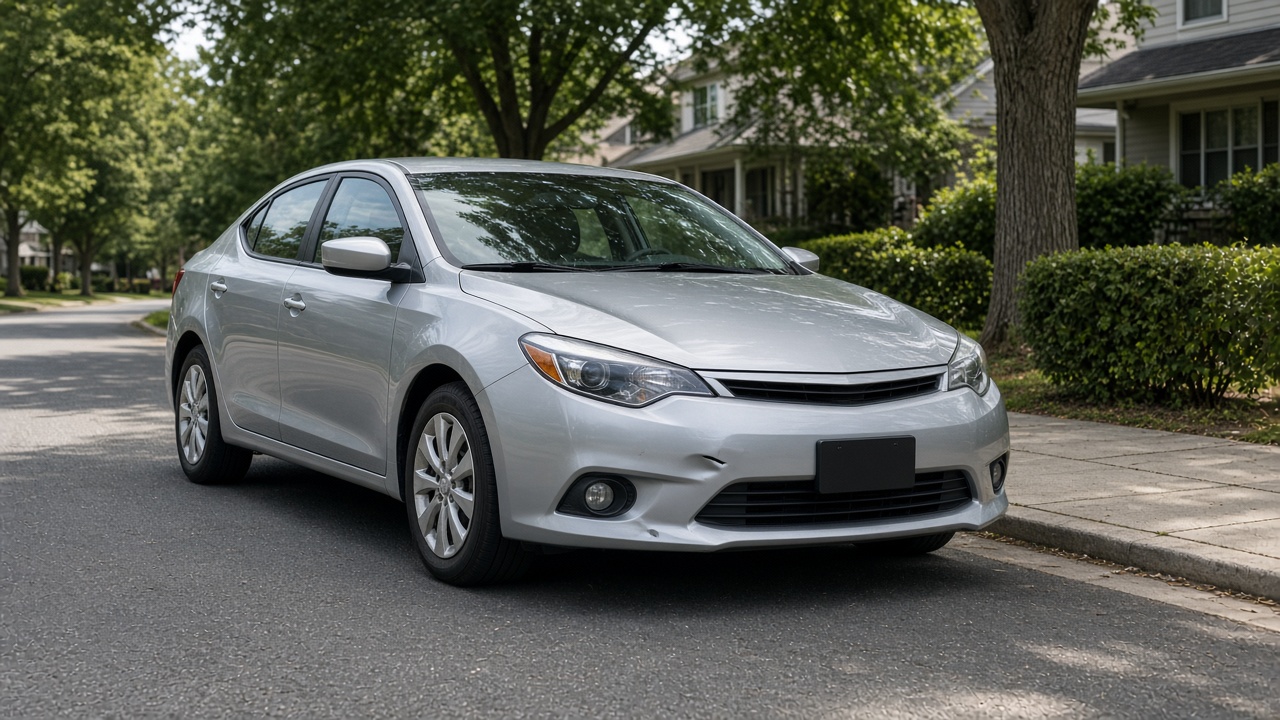
- Collision coverage pays to repair or replace your car after a crash.
- Comprehensive coverage pays for non-collision damage such as theft or storms.
- Medical payments or personal injury protection helps cover medical bills for you and your passengers.
- Uninsured and underinsured motorist coverage helps if the other driver has little or no insurance.
Collision and comprehensive are often grouped together and called “full coverage,” although that is an informal phrase rather than an official product.
What collision coverage pays for
Collision covers damage to your car from:
- Hitting another vehicle.
- Hitting an object such as a fence, tree, pole, or guardrail.
- Rolling over.
- Pothole damage in many policies.
It applies regardless of who is at fault. If you cause an accident, collision pays to fix your vehicle, minus your deductible. If someone else causes it, you can either file under your own collision coverage or claim against the other driver’s liability insurance. Using your own coverage gets repairs moving faster, and your insurer may then seek repayment from the at-fault party, which can also help recover your deductible.
What comprehensive coverage pays for
Comprehensive covers damage that does not come from a collision with another vehicle or object. Common examples include:
- Theft of the vehicle or its parts.
- Vandalism.
- Fire.
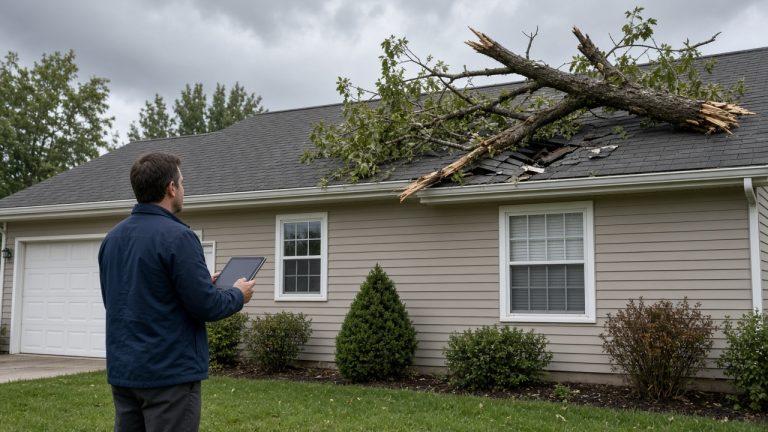
- Hail, flooding, windstorms, and falling trees.
- Hitting an animal such as a deer.
- Broken glass in some policies, or windshield damage with separate glass coverage.
Because it protects against events outside your control, comprehensive premiums are typically lower than collision premiums.
How deductibles work
Both coverages use a deductible, the amount you pay out of pocket before the insurer pays the rest. For example, if your car sustains $4,000 in collision damage and your deductible is $500, the insurer pays $3,500.
Choosing a higher deductible lowers your premium, but you take on more risk. A good rule of thumb is to choose a deductible you could comfortably pay from savings tomorrow. Many insurers offer separate deductibles for collision and comprehensive, so you can set a different amount for each.
Actual cash value: the limit on what you get
Collision and comprehensive generally pay the actual cash value (ACV) of your vehicle, meaning its market value just before the loss, minus depreciation. They do not pay what you originally paid for the car, and they do not pay the cost of a new replacement.
If repairs would cost more than a set percentage of the car’s value, the insurer may declare it a total loss and pay ACV minus your deductible. Two points matter here:
- Your coverage will never pay more than the car is worth. On an older vehicle, that may be less than you expect.
- If you owe more on the loan than the car is worth, the insurance payment may not cover the loan. Gap insurance, offered by lenders and insurers, can cover the difference.
When you should keep both coverages
- You have a loan or lease. Lenders nearly always require both coverages until the vehicle is paid off.
- Your car is relatively new or valuable. Repair or replacement costs would hurt your finances.
- You could not easily replace your car. If a total loss would force you into debt or leave you without transportation, coverage is worth the cost.
- You live in a high-risk area. Frequent hail, flood, theft, or wildlife collisions make comprehensive more valuable.
When dropping coverage may make sense
A simple test
Compare the annual cost of collision and comprehensive with the car’s current value. A commonly used guideline is to consider dropping coverage when the yearly premium for the coverage is a large fraction of the car’s value, or when the car’s value is only a few times your deductible. For instance, if your car is worth $3,000 and collision plus comprehensive costs $900 per year with a $1,000 deductible, the maximum possible payout is $2,000. You might be better off saving that premium.
Questions to ask yourself
- Could I afford to repair or replace this car out of pocket?
- Does my lender or lessor require coverage?
- How much of the car’s value would insurance realistically pay after the deductible?
- Do I drive in conditions that raise the risk of damage?
A middle option
Some drivers drop collision on an older car but keep comprehensive, since comprehensive is inexpensive and covers theft and weather. Others keep both but raise the deductible. Either approach can reduce cost while leaving meaningful protection.
How claims affect your premium
Collision claims, especially at-fault ones, can raise your rates at renewal. Comprehensive claims often have a smaller effect, though large or frequent claims can still matter. Because of this, many people choose not to file small claims that barely exceed the deductible. Before filing, consider the repair estimate, your deductible, and how your insurer treats claims history. You can usually ask your agent general questions about the impact without opening a claim.
Ways to lower the cost of both coverages
- Raise your deductible to an amount you can afford.
- Compare quotes from several insurers each year, since pricing methods vary.
- Ask about discounts, such as bundling, safe-driver programs, anti-theft devices, and low-mileage use.
- Maintain a good driving record, which is among the biggest factors in your rate.
- Review coverage when your car ages. Re-evaluate every year as the vehicle’s value drops.
- Consider usage-based programs if you drive safely and your insurer offers them, understanding that they collect driving data.
Common misunderstandings
- “Comprehensive covers everything not in an accident.” It covers specific named perils; mechanical failures and normal wear are not included.
- “Full coverage means I’m covered for anything.” It does not cover maintenance, and it has limits and deductibles.
- “If it’s not my fault, I don’t need collision.” Collision lets you repair your car quickly without waiting on another driver’s insurer, and it protects you if the at-fault driver is uninsured.
- “Insurance will pay what I paid for the car.” It pays current market value.
Frequently Asked Questions
Is collision or comprehensive more expensive?
Collision is usually more expensive because crashes are more common and costly than comprehensive events like theft or hail.
Does comprehensive cover a cracked windshield?
Often yes, under comprehensive or a separate glass endorsement. Some states require insurers to offer zero-deductible glass coverage, so check your policy.
Will my rates go up if I file a comprehensive claim?
They can, but comprehensive claims usually have a smaller effect than at-fault collision claims. It depends on your insurer and state rules.
Do I need both if I own my car outright?
No law requires them if you own it free and clear, but the decision should be based on whether you could afford to replace the car yourself.
What is the difference between actual cash value and replacement cost?
Actual cash value subtracts depreciation. Replacement cost would pay for a new equivalent vehicle, which is rarely offered for standard auto policies.
The bottom line
Collision protects your car in crashes, and comprehensive protects it from nearly everything else. Keep them if you have a loan or could not afford to replace the car, and reconsider as the vehicle ages and the cost approaches its value. A yearly review takes only a few minutes and can keep you properly protected without overpaying.